

There are two psychotherapists at HARV.
Therapeutic Support can be helpful for those who experienced sexual abuse in the past. At HARV our qualified psychotherapists specialise in addressing the trauma of sexual assault. Sessions are based at a local centre in Accrington.
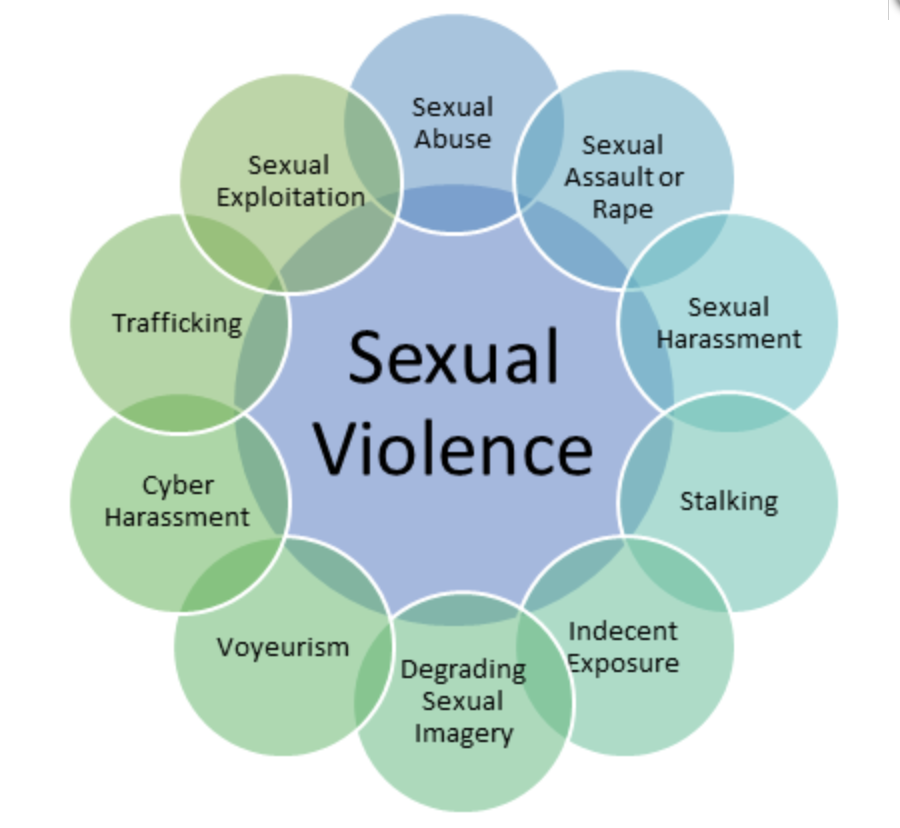
Sexual violence is the general term we use to describe any kind of unwanted sexual act or activity, including rape, sexual assault, sexual abuse, and many others.
At the centre we there are two specialist sexual violence support workers who can offer one to one trauma informed support. Contact rose@emilydavisoncentre.com / mary@emilydavisoncentre.com or call us on 0330 1 34 34 34
These are some of the areas in which trauma informed support is offered.
SELF CARE: Self-care means taking care of your physical, emotional and mental wellbeing. It is important for everyone, but it can also help you cope with your thoughts and feelings after rape, sexual abuse or any type of sexual violence – whether it happened recently or a long time ago.
GROUNDING TECHNIQUES: Grounding is a technique you can use when you feel strong emotions. It can help you feel calmer and more in control. If you have experienced trauma, you may at times feel overwhelmed by memories, thoughts and feelings. You may feel ‘triggered’ or experience flashbacks. Grounding techniques are designed to help you be ‘grounded’ in the here and now – not thinking about the past or being overwhelmed by your thoughts or feelings.
YOUR FEELINGS ARE VALID:
Everyone feels differently after experiencing sexual violence. Whatever you feel is a completely valid response to what’s happened. Whatever you do or don’t feel now or in the future is OK, and talking to the EDC can help. If you’ve experienced rape or sexual violence, you might be going through lots of different feelings or emotions.
You might feel:
- unclear about something or unsure what you’re feeling
- overwhelmed by feelings
- like it’s hard to cope with day-to-day life
- something in your stomach
- an uneasiness in your chest
Common emotions after sexual violence
It can be hard to untangle the range of complicated emotions we feel. It can be helpful to explore your feelings, and identify each one. From here you can start to work through your feelings and begin to heal.
Some common emotions you might experience are:
- Anger: you might be feeling angry, irritable or short-tempered with those close to you.
- Anxiety: you might feel intense panic, worry or a sense that something is wrong.
- Blame: you might feel that you are responsible or to blame for what happened.
- Embarrassment: you might feel embarrassed, humiliated and like you don’t want anyone to know.
- Fear: you might be afraid of people, of places, or of being on your own.
- Loneliness: you might feel isolated and alone, like you’re the only person who’s ever been through this or like you’re different from everyone else.
- Numbness: you might feel empty or unable to feel anything.
- Shame: you might feel ‘dirty’ or ashamed about what’s happened.
- Worthlessness: you might feel worthless or even like you hate yourself.However you’re feeling, it’s real, it’s yours and you’re not alone.
ANXIETY: Anxiety is a feeling of worry or unease. Most people experience anxiety at some time or other in their lives. But if your anxiety feels overwhelming, you might want help with managing it.
SELF BLAME:
It’s common to feel responsible for the sexual violence you’ve experienced. You might feel guilty or to blame. You are not to blame. It is not your fault.
Recognising self-blame
Try to recognise when your thoughts become self-blaming.
You might have thoughts like ‘it was my fault’, or think things like:
- ‘I should have…’
- ‘I shouldn’t have…’
- ‘If I had only…then it wouldn’t have happened.’
- ‘I deserved it.’
- ‘I was asking for it.’
- ‘I led him on.’
Once you recognise these thought patterns you can start to challenge and replace them.
It can be really hard, but try to remember that the only person to blame for what happened is the perpetrator(s).
FLASHBACKS: Flashbacks usually happen suddenly, without warning. They are vivid memories of a traumatic event that feel like they are happening now. You may re-experience what you saw, heard, smelt, felt and your body’s reactions, such as a fast heartbeat. They can last from seconds to hours
SLEEP ISSUES: You might experience some of the following:
- fear of falling asleep and having nightmares
- nightmares – more than just bad dreams, you might feel like you’re re-experiencing sexual violence
- feeling tired due to poor sleep
- insomnia – being unable to sleep
- waking up throughout the night
Sleep problems have further effects on our wellbeing. You might feel:
- tired all the time
- grumpy and irritable
- cold
- anxious
- stressed about being unable to get to sleep at night or worried about having nightmares
- mentally exhausted from constantly thinking about sexual violence through your nightmares
SELF HARM: Some people self-harm as a response to sexual violence. Self-harm is anything that someone does to cause harm to themselves. This includes cutting or burning, not eating, taking drugs and working to exhaustion.
Why might I self-harm?
There are many reasons why you might self-harm after experiencing sexual violence.
Controlling emotions
Sometimes we experience emotions at times when we aren’t ready to deal with them or feel it’s inappropriate – for example, crying at work or school.
You might self-harm to use pain as a way of suppressing or distracting yourself from your emotions.
Expressing emotions
When our emotions become too much for us or too painful, it can feel like a pot about to boil over.
Causing ourselves harm can be a way of relieving some of this pain and can give us a sense of relief, like taking the lid off the pot of boiling water.
Feeling emotions
When we feel numb, experiencing pain is a quick way of proving to ourselves that we can still feel and are still alive.
Punishing yourself
Feelings of shame or guilt can sometimes make us to believe we deserve to feel pain.
Control
After experiencing sexual violence it’s common to feel out of control. Through self-harm you might feel you can bring control back into your life – for example, by choosing how you hurt and when.
As well as controlling emotions, self-harm can give you a feeling of control over your life more widely.
Self Harm Training: https://www.clareshaw.co.uk/mental_health_training.html
Help after rape and sexual assault
If you’ve been sexually assaulted it’s important to remember that it was not your fault. Sexual violence is a crime, no matter who commits it or where it happens. Don’t be afraid to get help.
There are services that can help if you’ve been sexually assaulted, raped or abused. You don’t have to report the assault to the police if you don’t want to. You may need time to think about what has happened to you.
However, consider getting medical help as soon as possible for any injuries and because you may be at risk of pregnancy or sexually transmitted infections (STIs). If you want the crime to be investigated, the sooner a forensic medical examination takes place, the better.
Try not to wash or change your clothes immediately after a sexual assault. This may destroy forensic evidence that could be important if you decide to report the assault to the police.
Where to get help
Sexual assault referral centres (SARCs) offer medical, practical and emotional support to anyone who has been raped sexually assaulted or abused. They have specially trained doctors, nurses and support workers to care for you. Help is available 24 hours a day.
Find your nearest sexual assault referral centre (SARC)
Other places you can get help include:
- a doctor or practice nurse at your GP surgery
- a voluntary organisation, such as Rape Crisis, Women’s Aid, Victim Support, The Survivors Trust or Male Survivors Partnership
- the 24-hour freephone National Domestic Abuse Helpline, run by Refuge, on 0808 2000 247
- the Rape Crisis national freephone helpline on 0808 802 9999 (12 to 2.30pm and 7 to 9.30pm every day of the year)
- a hospital accident and emergency (A&E) department
- a genitourinary medicine (GUM) or sexual health clinic
- a contraceptive clinic
- a young people’s service
- call NHS 111 or get help from 111 online
- the police, or dial 101
- in an emergency, dial 999
About sexual assault referral centres (SARCs)
Sexual assault referral centres (SARCs) are located across the country and available for everyone, regardless of gender, age, the type of incident, or when it happened.
SARCs offer a range of services, including crisis care, medical and forensic examinations, emergency contraception and testing for STIs. They can also arrange access to an independent sexual assault advisor (ISVA), as well as referrals to mental health support and sexual violence support services.
If you are thinking about reporting an assault to the police, the centre can arrange for you to speak to a specially trained police officer who can explain the next steps.
If you decide to report the assault to the police, specially trained advisors can support you through the criminal justice system. They can also support you through the trial if the case goes to court.
Forensic medical examinations can be arranged, even if you have not decided if you want to report the assault.Having a medical examination at a SARC
Information:
NHS video about what happens at a SARC (YouTube)
What is sexual assault?
A sexual assault is any sexual act that a person did not consent to, or is forced into against their will. It is a form of sexual violence and includes rape (an assault involving penetration of the vagina, anus or mouth), or other sexual offences, such as groping, forced kissing, child sexual abuse, or the torture of a person in a sexual manner.
Sexual violence or assault can happen to anyone of any age.
Consent
Sexual assault is an act that is carried out without a person’s active consent. This means they did not agree to it.
Consent means saying “yes” to what happened.
Being intoxicated, not being asked, saying nothing, or saying yes to something else, is not consent. Being in a relationship or married to someone is not consent.
Sexual assault is a crime
It is not uncommon for the person being sexually assaulted to have no physical injuries or signs of their assault. But sexual assault is still a crime and can be reported to the police in the same way as other crimes.
The Crime Survey for England and Wales for the year ending March 2021 showed that the police recorded 148,114 sexual offences, encompassing rape (55,696 cases) and sexual assault, and also sexual activity with children.
Most sexual assaults are carried out by someone known to the victim. This could be a partner, former partner, relative, friend or colleague. The assault may happen in many places, but is usually in the victim’s home or the home of the perpetrator (the person carrying out the assault).
If you’ve been spiked
Spiking is when alcohol or drugs have been put in your drink without your permission.
If your drink has been spiked or you’ve been injected with an unknown substance, and you think you’ve been sexually assaulted, go to your nearest sexual assault referral centre (SARC) for specialist care and support.
If you’ve been spiked but have not been sexually assaulted, call 111 for urgent medical advice if you have any symptoms you’re worried about.
Also, contact the police to tell them what happened.
Find more information and advice about spiking on the Frank website
Looking for forensic evidence
If you have been sexually assaulted, you don’t have to have a forensic medical examination. However, it can provide useful evidence if the case goes to court. It’s possible to collect evidence, such as DNA, evidence of spiking and loose hair as part of the medical evidence.
You can decide at any stage if you would like a forensic medical examination. However, the sooner this takes place, the more chance of collecting evidence. If the assault occurred more than 7 days ago, it is still worth asking for advice from a SARC or the police about a forensic medical examination if you would like to have one.
Usually the doctor or nurse will take the samples, such as swabs from anywhere you have been kissed, touched or had anything inserted. They might also take urine and blood samples and occasionally hair, depending on the information you provide about the assault, and also retain some clothing and other items (if they do they will give you new clothes).
You can ask to do your own swabs. Or you can choose to have only some samples, for example urine or clothing.
It’s important to have the swabs taken as soon as possible, as forensic evidence will wear and wash away.
If you haven’t decided whether to involve the police, any forensic medical evidence that’s collected will be stored at the SARC. This allows you time to decide if you do want to report the assault..
In some SARCs you can choose to have your samples processed without identifying you (in case the person who assaulted you has assaulted someone else).
If you report the assault to the police
If you do decide to report it to the police, a police officer specially trained in supporting victims of sexual assault will talk to you and help to make sure you understand what’s going on at each stage.
The police will investigate the assault. You will be offered a forensic medical examination and will be asked to make a statement about what happened (what you say is written down, which you check and sign). The police will pass their findings, including the forensic report, to the Crown Prosecution Service, who will decide whether the case should go to trial.
To find out more about what’s involved in an investigation and trial, you can:
- Talk to an ISVA, supporting police officer or charity such as Rape Crisis
- Find out more on GOV.UK about going to court as a victim or witness
- Download a booklet called From Report to Court: A handbook for adult survivors of sexual violence, produced by the charity Rights of Women
Confidentiality
Your details will be kept as confidential as possible. However, if there’s a police investigation or criminal prosecution linked to the assault, any material relating to it is “disclosable”. This means it may have to be produced in court.
If there is no investigation or prosecution, information about you won’t be shared with other services without your permission, unless there’s a concern that you or anyone else is at risk of serious harm.
Supporting a victim of sexual assault
Advice for relatives and friends of someone who has been sexually assaulted includes:
- Believe what they’re saying and tell them this.
- Listen to the person, but don’t ask for details of the assault. Don’t ask them why they didn’t stop it. This can make them feel as though you blame them.
- Offer practical support, such as asking them if they would like you to go with them to appointments.
- Respect their decisions – for example, whether or not they want to report the assault to the police.
- Bear in mind they might not want to be touched. Even a hug might upset them, so ask first. If you’re in a sexual relationship with them, be aware that sex might be frightening, and don’t put pressure on them to have sex.
- Don’t tell them to forget about the assault. It will take time for them to deal with their feelings and emotions. You can help by listening and being patient.
If you’re worried about a child
If you’re worried about a child, it’s important you talk to a professional who can make sure they are safe. Who you speak to will depend on the situation.
A young person might talk to a trusted teacher who would refer to something called the Multi-Agency Safeguarding Hub (MASH) if needed.
You can also talk to someone from the MASH, or a social worker or the police if you prefer. You don’t have to give your name.
You can find the number of your local MASH if you search online for MASH in your area.


